


CISO Online™ empowers organizations with cutting-edge Simulated Phishing cyber security training services, featuring simulated attacks and Spam Report Buttons in collaboration with industry leaders KnowBe4, Ninjio, and Microsoft.
Boost Your Cyber Defenses By Joining the Fight Against Phishing Attacks!
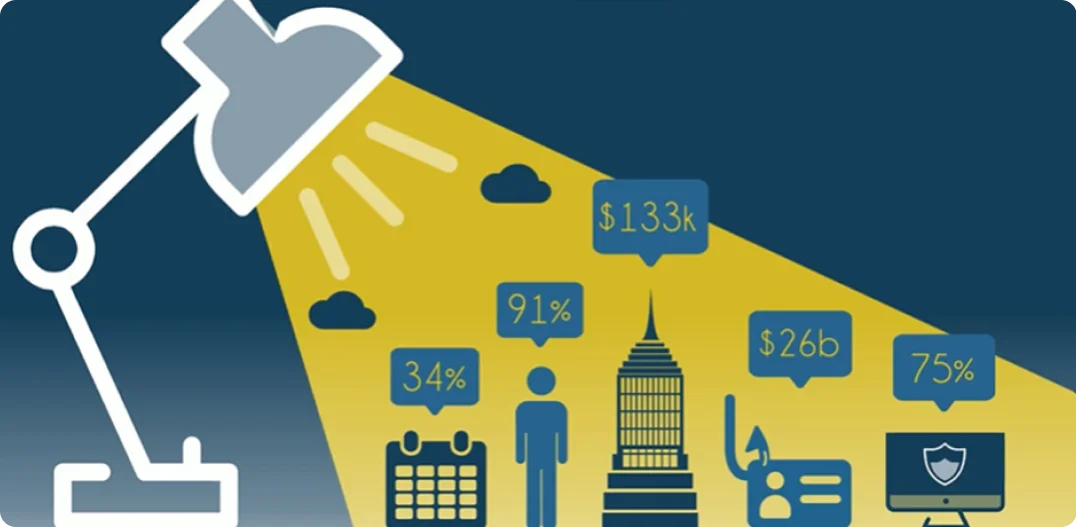
Did you know that 91% of successful data breaches started with a spear phishing attack?

Protect your organization from cyber threats with expertly crafted simulated phishing training from CISO Online™. Equip your team with the knowledge and skills needed to identify and mitigate cyber attacks effectively. At CISO Online™, we understand that your employees are the first line of defense against cyber threats. With social engineering attacks posing the number one security threat to organizations worldwide, it’s essential to prioritize cyber security awareness training to empower your team to navigate the digital landscape securely.
In partnership with industry leaders Microsoft, Ninjio, and KnowBe4, CISO Online™ brings you expertly crafted simulated phishing training programs. Leveraging the collective expertise of these industry giants, we offer comprehensive training solutions designed to equip your employees with the knowledge and skills needed to identify and mitigate cyber threats effectively.
Our cybersecurity training programs cover a wide range of topics, from phishing attacks to social engineering tactics, ensuring that your team is well-prepared to defend against evolving cyber threats. We understand that every organization is unique, which is why we offer tailored training solutions that integrate seamlessly with user-friendly interfaces, providing a hassle-free experience for your employees.
In partnership with industry leaders Microsoft, Ninjio, and KnowBe4, CISO Online™ brings you expertly crafted simulated phishing training programs. Leveraging the collective expertise of these industry giants, we offer comprehensive training solutions designed to equip your employees with the knowledge and skills needed to identify and mitigate cyber threats effectively.
Our cyber security training programs cover a wide range of topics, from phishing attacks to social engineering tactics, ensuring that your team is well-prepared to defend against evolving cyber threats. We understand that every organization is unique, which is why we offer tailored training solutions that integrate seamlessly with user-friendly interfaces, providing a hassle-free experience for your employees.
Contact us today to fortify your data against evolving cyber threats. your security is our priority.

Don’t underestimate the importance of cyber security training. Without simulated phishing training, your organization faces significant risks, including data breaches, compromised credentials, financial losses, and reputational damage. Invest in comprehensive cyber security strategies with CISO Online™ to fortify your defense against evolving cyber threats.
Underestimating the importance of cyber security, particularly in simulated phishing attacks, exposes businesses to a myriad of risks. Without adequate protection measures in place, organizations are vulnerable to:
Investing in comprehensive cyber security training and cyber security strategies, including simulated phishing attack training, is not just a precautionary measure – it’s a critical imperative. By proactively addressing cyber threats, organizations can:
Cyber safety starts here, ensuring you’re protected from the rising tide of cyber threats in today’s digital world.

Our proactive simulated phishing attacks and cyber security training that mimic actual phishing attacks teach you how to stay alert!
Prevent cyber incidents and protect your organization from phishing attacks with our advanced Phishing Simulation and Phishing Alert Button. We empower your employees to recognize and respond to real-life threats, creating a robust human firewall.

Phishing is the process of attempting to acquire sensitive information such as usernames, passwords and credit card details. by masquerading as a trustworthy entity using bulk email which tries to evade spam filters

Effective cybersecurity goes beyond implementation; it requires ongoing management and strategic oversight. CISO Online’s Implementation Governance ensures that your cybersecurity measures consistently align with your organization’s policies, standards, and objectives, providing robust protection and strategic value.
Many employees lack sufficient awareness of phishing techniques and struggle to identify malicious emails. As a result, they unwittingly click on malicious links, download malware, or divulge sensitive information, paving the way for data breaches.
Employees receive countless emails daily, making it easy for phishing emails to get lost in the sea of legitimate communications. This overwhelming volume increases the risk of an employee falling victim to a phishing attempt.
A successful phishing attack can tarnish an organization’s reputation, eroding trust among customers, partners, and stakeholders.
Effective cyber security goes beyond implementation; it requires ongoing management and strategic oversight. CISO Online’s Implementation Governance ensures that your cyber security measures consistently align with your organization’s policies, standards, and objectives, providing robust protection and strategic value.
Many employees lack sufficient awareness of phishing techniques and struggle to identify malicious emails. As a result, they unwittingly click on malicious links, download malware, or divulge sensitive information, paving the way for data breaches.
Employees receive countless emails daily, making it easy for phishing emails to get lost in the sea of legitimate communications. This overwhelming volume increases the risk of an employee falling victim to a phishing attempt.
Falling victim to a phishing attack can lead to severe consequences, including unauthorized access to sensitive data, financial losses, and potential legal liabilities.
A successful phishing attack can tarnish an organization’s reputation, eroding trust among customers, partners, and stakeholders.
Employees may hesitate to report suspicious emails or cyber security incidents due to fear of repercussions or uncertainty about the proper reporting procedures.
Malicious cyber activity is increasing in frequency, scale, and sophistication globally. If your organization doesn’t take a proactive approach to cyber security awareness training and don’t educate your team, the repercussions can be catastrophic. These consequences may be OPERATIONAL, REPUTATIONAL, FINANCIAL, AND LEGAL.


Our philosophy? no more boring, check-the-box security awareness lectures.
Making cyber security fun!

Our platform automatically generates tailored phishing simulations based on individual recipients, ensuring personalized and relevant training.

We create realistic phishing scenarios that align with local brands and standards, increasing authenticity and employee engagement.

Our Phished Behavioral Risk Score™ predicts the likelihood of individuals or the entire organization falling victim to phishing attacks.

The Phished Behavioral Risk Score™ is constantly updated by measuring employee behavior, providing real-time insights into the organization's security status.

Gain an overview of your organization's security status or drill down to specific departments, teams, or individual employees with our detailed reporting.

Our platform automatically generates tailored phishing simulations based on individual recipients, ensuring personalized and relevant training.

We create realistic phishing scenarios that align with local brands and standards, increasing authenticity and employee engagement.

Our Phished Behavioral Risk Score™ predicts the likelihood of individuals or the entire organization falling victim to phishing attacks.

The Phished Behavioral Risk Score™ is constantly updated by measuring employee behavior, providing real-time insights into the organization's security status.

Gain an overview of your organization's security status or drill down to specific departments, teams, or individual employees with our detailed reporting.

Employees can instantly report suspicious emails to the IT or security team, reducing response time and mitigating potential threats.

The Phish Alert Button provides instant feedback on the authenticity of emails, helping employees differentiate between legitimate and malicious communications.

The integration of the Phish Alert Button reinforces a permanent behavioral change among employees, leading to increased security awareness.


Employees can instantly report suspicious emails to the IT or security team, reducing response time and mitigating potential threats.

The Phish Alert Button provides instant feedback on the authenticity of emails, helping employees differentiate between legitimate and malicious communications.

The integration of the Phish Alert Button reinforces a permanent behavioral change among employees, leading to increased security awareness.

Set up your free phishing campaign for up to 100 users
Our solution is backed by real-world success stories and a track record of reducing phishing susceptibility in organizations.
EASE OF USE:
The Phished Behavioral Risk Score™ provides data-driven insights into an organization’s security posture, enabling informed decision-making.
We are committed to supporting our clients throughout their cybersecurity journey, offering ongoing training, updates, and customer assistance.
Our Three partners Microsoft, KnowBe4 and NINJIO are providing the most engaging and effective form of Phishing attacks simulation and Phish Alert Report. Either could fit your needs based on your requirements and business culture. Please click below to see the details or reach out to one of our experts to discuss your options.


It just works! Based on a study of over 4 million users, we found that after the very first baseline phishing test on average, organizations had a phish-prone percentage of 37.9%! That means that 37.9% of employees clicked on a fake phishing email sent as an initial test.
276% ROI
Set up your free phishing campaign for up to 100 users

Tailored packages for SMB's to uplift cyber security


Risk-based approach for large enterprises to uplift cyber security


Educating your team on the latest cyber risks and attacks

Simulated phishing attacks are controlled exercises where an organization sends fake phishing emails to its employees to test their ability to recognize and respond to phishing attempts. These simulations are designed to raise awareness and improve employee readiness against real phishing threats.
Awareness: Increase employee awareness of phishing tactics.
Training: Provide practical, hands-on training in identifying phishing attempts.
Assessment: Evaluate the effectiveness of cyber security training programs.
Risk Reduction: Reduce the likelihood of successful phishing attacks.
Behavior Change: Encourage a security-conscious culture within the organization.
Design the Campaign: Create realistic phishing emails that mimic common phishing tactics.
Target Audience: Select employees or departments to receive the simulated phishing emails.
Distribution: Send the simulated phishing emails at random intervals.
Monitoring: Track how employees interact with the emails (e.g., opening, clicking links, reporting).
Feedback: Provide immediate feedback to employees who fall for the simulation and offer additional training.
Credential Harvesting: Emails that attempt to trick employees into entering their login credentials on a fake website.
Malicious Attachments: Emails containing attachments that simulate malware.
Link Manipulation: Emails with links that lead to fake websites designed to capture sensitive information.
Spear Phishing: Highly targeted emails aimed at specific individuals or departments.
Business Email Compromise (BEC): Emails that impersonate executives or trusted partners to request sensitive information or financial transactions.
Regular Intervals: Quarterly or monthly simulations help maintain a high level of awareness.
Ad-Hoc Testing: Additional organizations after major changes in the organization, such as new hires or changes in IT systems.
Follow-Up Campaigns: More frequent testing for employees or departments that show higher susceptibility to phishing.
Click-Through Rate: Percentage of employees who clicked on links in the phishing email.
Credential Submission Rate: Percentage of employees who entered credentials on a fake site.
Reporting Rate: Percentage of employees who correctly identified and reported the phishing email.
Time to Report: Average time it takes for employees to report the phishing email after receiving it.
Trend Analysis: Improvement or decline in phishing awareness over multiple campaigns.
Immediate Feedback: Inform the employee about the simulation and what they did wrong.
Additional Training: Provide targeted training to address the specific mistakes made.
Positive Reinforcement: Encourage and reward employees who correctly identify and report phishing attempts.
No Punitive Measures: Avoid punitive actions to ensure a supportive learning environment.
Real-World Practice: Gives employees practical experience in recognising phishing attempts.
Behavioral Insights: Provides insights into how employees react to phishing attacks.
Targeted Training: Identifies individuals or groups that need additional training.
Security Culture: Promotes a culture of vigilance and proactive security behavior.
Compliance: Helps meet regulatory and industry requirements for security awareness training.
Employee Resistance: Employees may feel tricked or embarrassed, leading to resistance.
Campaign Design: Creating realistic and effective phishing simulations can be complex.
Balancing Realism and Ethics: Ensuring simulations are realistic without crossing ethical boundaries or causing undue stress.
Measurement and Analysis: Effectively tracking and analysing the results to inform training and improvements.
Clear Communication: Explain the purpose and benefits of simulations to employees.
Transparency: Ensure employees know that simulations are a regular part of the security program.
Supportive Environment: Foster a culture where mistakes are seen as learning opportunities rather than failures.
Incentives: Offer rewards for employees who successfully identify and report phishing simulations.
Realism: Use realistic scenarios and language that employees might encounter in actual phishing emails.
Diversity: Vary the types and complexity of phishing emails to cover different tactics.
Relevance: Tailor simulations to the specific roles and responsibilities of employees.
Incremental Difficulty: Gradually increase the complexity of simulations as employees become more adept at recognizing phishing attempts.
Feedback Mechanism: Provide immediate and constructive feedback to enhance learning.
Risk Management: Helps identify and mitigate human-related security risks.
Training Reinforcement: Reinforces the lessons learned in cyber security awareness training.
Incident Response: Improves the organization's ability to detect and respond to real phishing attacks.
Continuous Improvement: Provides ongoing insights into the effectiveness of security policies and training programs.
Yes, simulations can and should be customized to reflect the specific threats and challenges faced by different departments or roles within the organization. For example, finance departments may receive simulations mimicking invoice fraud, while IT staff may get simulations related to software updates or system access requests.
Anonymity: Ensure results are reported in a way that protects individual identities.
Transparency: Share aggregate results with the organization to highlight trends and improvements.
Positive Messaging: Frame communications in a positive light, focusing on learning and improvement.
Regular Updates: Keep employees informed about the outcomes of simulations and subsequent training initiatives.
Third-party vendors can provide expertise, tools, and platforms to design, deploy, and analyse simulated phishing campaigns. They offer specialized knowledge and resources that may not be available in-house, and their services can be tailored to meet the specific needs of the organization.